
Mordecai Bedient & Abigail Raymond
The British fleet finally reached Philadelphia with supplies for their army. But it was too late. Winter had come. The armies couldn’t march. The British stayed comfortably in Philadelphia. Washington’s troops withdrew to Valley Forge. They suffered and starved. But they survived. The sacrifice of blood at Fort Mifflin had saved the American Revolution.
Mordecai Bedient was born in 1737. He died at 40 at Fort Mifflin, during the Battle of Mud Island.
Mordecai was a private in the regiment ordered by General George Washington to defend Fort Mifflin, just outside of Philadelphia. British forces laid siege to the fort, located on Mud Island, in early October 1777. During the 5-week siege, 400 to 450 American soldiers held off more than 2,000 British troops and 250 ships. On 10 November, the British began an incessant barrage of cannonballs into the Fort. The Americans abandoned the island during the night of November 15/16.
Mordecai was killed during the final assault. Supposedly, his body was ferried with the rest of the dead to the mainland. It is unknown where he was buried.
His wife was Abigail Raymond. Additional research is needed to identify her ancestors.
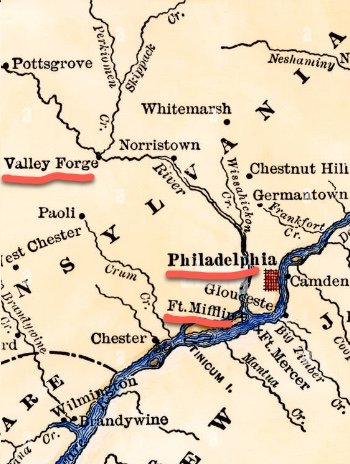
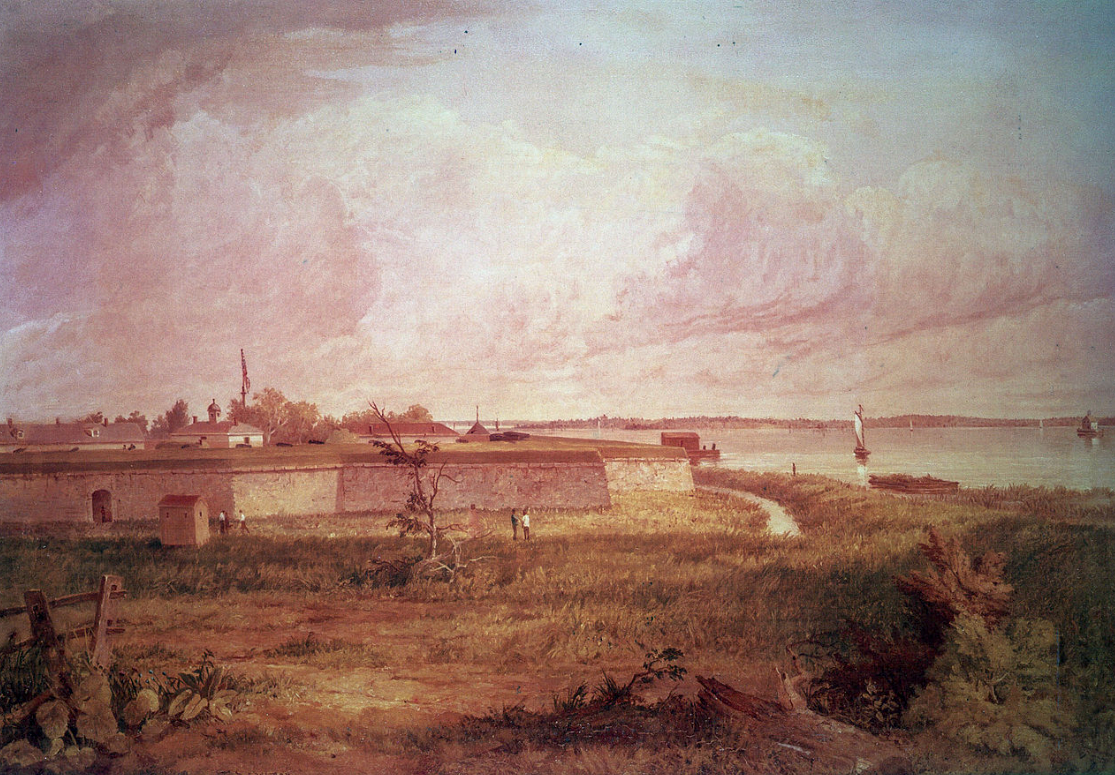
Joseph Plumb Martin was a 16-year old private when he fought at Mud Island. The diary he kept is one of the major primary sources about the American Revolution. Here is some of what he said about the battle.
In the cold month of November, without provisions, without clothing, not a scrap of shoes or stockings to my feet or legs … The island is nothing more than a mud flat … I have seen the enemy’s shells fall upon the mud and sink so low that their report could not be heard when they burst.
Men were cut in half by shells – split in two like ‘fish to be broiled’. The fatigue was constant: “It was impossible to lie down to rest or sleep on account of the mud, if the enemy’s shot would have suffered us to do so….I was in this place a fortnight, and I never lay down a minute in all that time.” (They had to sleep standing up because of the mud.) The British focused many of their shots on the barracks and buildings within the fort making it literally a death trap. Martin wrote, Sometimes some of the men, when overcome with fatigue and want of sleep, would slip away into the barracks to catch a nap, but it seldom happened that they all came out again alive.”